
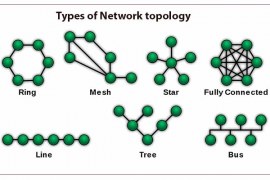
Computer Network Topology or simply Network Topologies is a virtual structure consisting of links and nodes which sometimes is called the network architecture. The job of the Network Topology is to define how two devices are connected to each other ...
Snabay Networking Latest Articles
What is Intranet and Its advantages and disadvantages
Within a company or an organization there are hundreds and thousands of employees and to keep a track of them and provide them a shared platform to connect is a difficult task and looking from a practical point of view, ...
7 Amazing Ways to Relax Yourself After a Hectic Schedule

Work consumes a significant portion of people’s lives. You could be working from early in the morning till late at night. However, it is critical to give oneself a break. If you continue to work without taking a break, you ...
In An 802.11 Data Frame What Is The Size Of The Frame Check Sequence Field?

You were searching “In An 802.11 Data Frame What Is The Size Of The Frame Check Sequence Field? Well, you are at right place. The below figure is the frame format for IEEE 802.11. If we recognize clearly the data ...
What is OSPF Router ID, Selection Algorithm, Configuration
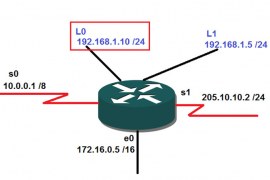
OSPF Router ID: OSPF network contains multiple routers and all these routes have an OSPF Route ID which is unique. This unique id is mainly used for the identity purpose of the OSPF routes. Commonly this router ID is and ...
What is Backup Sites, Types of Backup Sites – Hot, Warm and Cold site
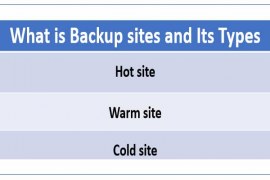
When data in a location is lost due to fire, flood, other natural disasters, or terrorist attacks, the data needs to be temporarily operated. The locations selected for this purpose can be described as a backup site. Larger companies have ...
What is Business Data Classification

The Business Data Classification is an important factor in the business field. Business data is the collection of information and is used to plan and operate the organization. The business field or organization strives to on the safe side it ...
RIP, RIPv2 Authentication, Keychain Configuration | RIP Configuration

RIP Authentication: The two versions of the Routing Information Protocol are RIPv1 and RIPv2, these two protocols are used for sub-netting and two are not supported authentication and RIPv2 only supports the authentication process. RIPv2 will be mainly used for ...
What is Static Routes and Default Routes | Difference between static and Default
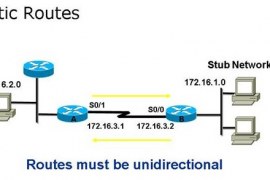
The purpose of a router is to receive the data packets as well as to find the IP address of the destination host. If the Network or the IP address of the destination host gets, then the next step of ...
Meet Shailendra Yadav: One of the Google Ads Experts

THE EXPERT ON GOOGLE ADS Google Ads may be a highly strong tool for marketing or selling your business or services online. However, you must ensure that it is built in such a way that potential clients will be drawn ...